
Restoring Historic Properties in Italy: Authentic Heritage with Modern Comfort
There is something undeniably magnetic about historic Italian architecture. Whether it is a Tuscan farmhouse with centuries-old timber beams, a Pugliese masseria featuring sweeping stone vaulting (volte a stella), or a charming townhouse in a quiet centro storico, these structures tell a story. They anchor us to history, offering a sense of craft and permanence that modern construction rarely replicates.
However, restoring historic property in Italy into a comfortable, functional home or holiday retreat requires a delicate balance. How do you honor original craftsmanship while incorporating modern amenities like climate control, smart lighting, updated plumbing, and sleek contemporary design?
Here is a practical guide to thoughtfully blending authentic Italian architectural heritage with modern lifestyle comfort.
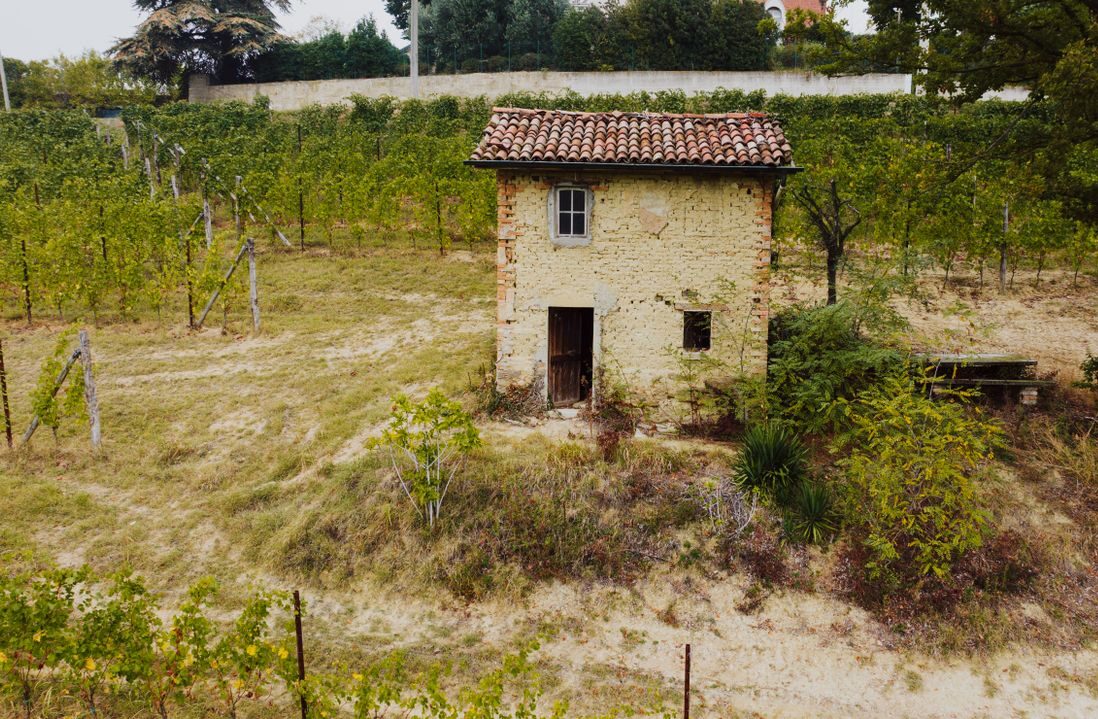
Honor Original Italian Architectural Features
The most successful Italian home renovations start by listening to the building. Rather than forcing an open-concept layout onto a structure built centuries ago, let the original structural logic guide your redesign.
Preserve Exposed Masonry and Vaulted Ceilings
Classic regional features like local limestone (pietra leccese), brick archways, and vaulted ceilings are the soul of an Italian property. Instead of plastering over damaged walls, clean and restore the original stone using traditional lime-based mortars (calce). Leaving key walls exposed creates texture, warmth, and dramatic visual contrast against modern furnishings.
Reimagine Traditional Courtyards (Cortili)
Traditional Italian homes and rural estates were built around central courtyards designed for shade and natural airflow. You can modernize these outdoor spaces by treating them as seamless indoor-outdoor living rooms, adding low-profile seating, subtle architectural lighting, and native flora like olive trees, jasmine, and bougainvillea.
Combine Old and New Through Material Contrast
Attempting to recreate historical finishes using contemporary materials often feels artificial. Interior design experts recommend embracing thoughtful contrast: letting authentic historic elements sit alongside clean, minimalist modern interventions.
- Original Flooring: If historic terracotta tiles (cotto) or patterned cement tiles (cementine) exist, preserve and restore them whenever possible. If replacement is necessary, consider smooth micro-cement or simple light hardwood that won’t visually compete with original stone walls.
- Sleek Kitchens & Bathrooms: Rather than attempting a “rustic” kitchen, lean into sleek, low-profile cabinetry with handleless hardware. Ultra-clean lines in stone, matte black steel, or brushed metal allow historic arches to remain the focal point of the room.
Discreetly Integrate Modern Systems & HVAC
Living comfortably year-round in a historic Italian property requires modern infrastructure, but these mechanical elements should remain virtually invisible to preserve aesthetic character.
Concealed Climate Control: Thick stone walls provide excellent thermal mass, but hot Mediterranean summers and damp winters demand modern heating and cooling. Underfloor heating paired with concealed fan coil units or discreetly routed ducted HVAC systems keeps temperatures regulated without cluttering stone walls with split units.
Architectural Lighting: Historic Italian homes often feature thick exterior walls and smaller window openings. Use low-profile LED uplighting to accentuate raw stone textures and vaulted ceilings. Minimalist pendant lights offer functional illumination above kitchen islands or dining areas without blocking architectural sightlines.
Navigate Local Italian Building Regulations and Artisans
Renovating property in Italy is as much about local culture and community as it is about construction.
Historic properties, especially those located in protected historic centers (centro storico) or agricultural conservation zones—are subject to strict local preservation guidelines (vincoli). Partnering with regional architects (architetti), surveyors (geometri), and master craftsmen (maestranze) ensures your project meets local planning codes while honoring traditional building methods.
Working with local stone masons, carpenters, and ironworkers guarantees authentic craftsmanship while supporting the local economy in your regional town or village.
Final Thoughts: A Historic Home with a Modern Story
Restoring a historic space in Italy isn’t about building a museum, it’s about writing the next chapter of a property’s history. By respecting original materials, introducing modern infrastructure discreetly, and embracing thoughtful interior design, you create a home that offers the best of both worlds: timeless Italian character and refined modern luxury.
Ready to Start Your Italian Property Journey?
Whether you are exploring historic real estate opportunities, planning a major renovation, or seeking lifestyle insights on living across Italy, JustPlan Italy offers insider guidance every step of the way.
Explore our Italian property consulting services.
Contact our team to discuss your project vision