
Aperitivo in Italy: How Spring 2026 Is Reinventing La Dolce Vita
Every year, as February fades and the first mimosa trees burst into bloom, Italy undergoes a quiet but unmistakable transformation. Shutters swing open. Tables spill onto cobblestoned piazzas. The clinking of Campari-filled glasses fills the golden hour. La primavera has arrived — and with it, the great Italian ritual of the aperitivo.
But in spring 2026, something deeper is shifting. Italy’s beloved aperitivo culture is evolving beyond the predictable Spritz-and-olives formula. The trends emerging this season reflect a broader movement: a return to slowness, seasonality, and local identity — the very heart of la dolce vita.
Whether you’re planning a luxury trip to Italy this spring or simply dreaming from afar, here is what Italy’s aperitivo hour looks like right now.
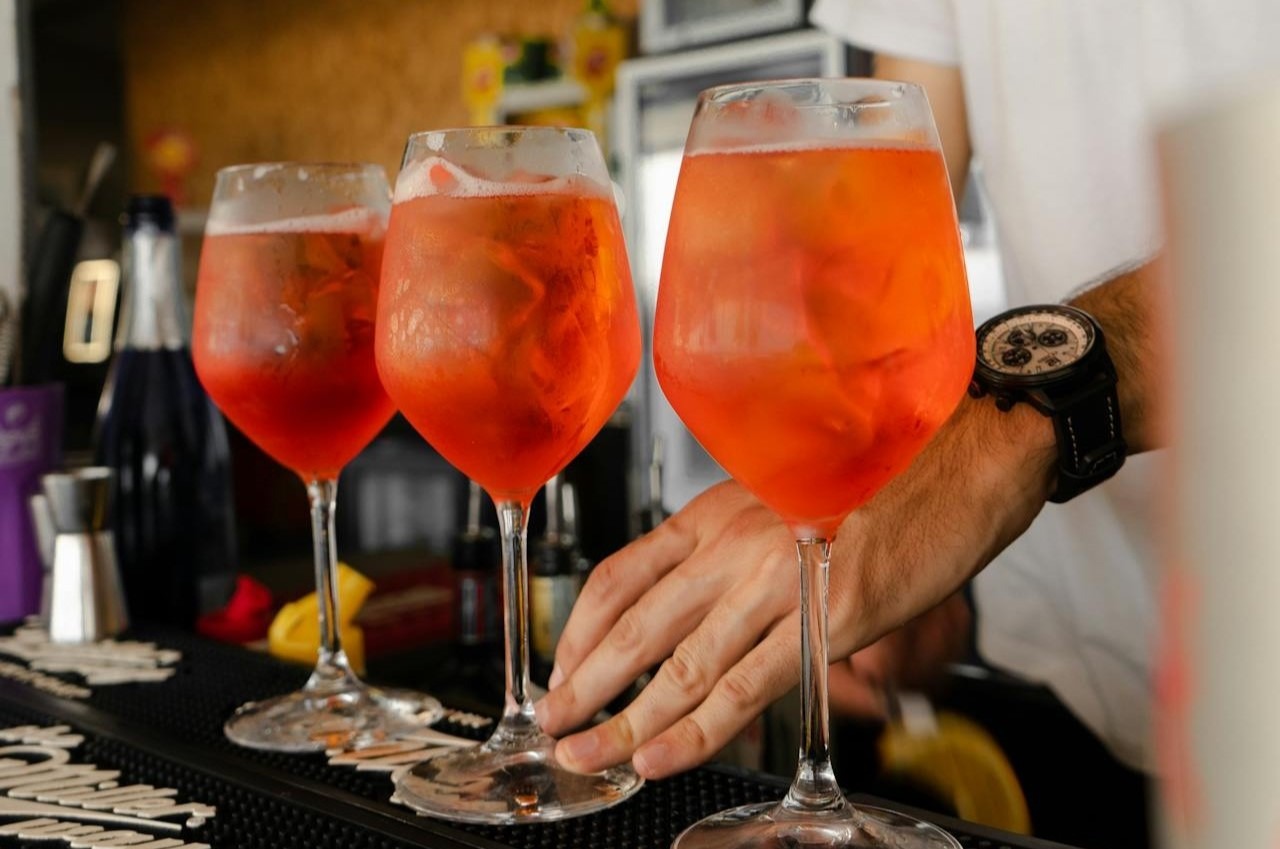
What Is the Italian Aperitivo? A Quick Introduction
For the uninitiated: the aperitivo is not a happy hour. It is a pausa — a deliberate pause between the working day and the evening meal, typically from 6 to 8 pm, where Italians gather over a low-ABV drink and light snacks (stuzzichini) before dinner.
What began as a 19th-century Turinese tradition — Campari was born in Milan in 1860, Aperol in Padua in 1919 — has since become one of Italy’s most important social rituals and its most imitated lifestyle export. The aperitivo hour in Italy is not just a drink. It is a philosophy.
Why Spring Is the Best Time for Aperitivo in Italy
Spring sits at the sweet spot of Italian travel: summer crowds haven’t arrived, prices remain moderate, and evenings are warm enough to drink outside. Temperatures across central and southern Italy (12–17°C by April) make al fresco aperitivo irresistible.
More importantly, spring is when Italian bars and enoteche roll out seasonal menus — new artisanal vermouths, fresh produce-led snacks, and the first chilled whites of the year. It is the most alive the aperitivo gets.
4 Aperitivo Italy Spring Trends to Know in 2026
1. Natural Wines and Artisanal Vermouth
Italy’s natural wine movement — long centred in Piedmont and the Veneto — is now reshaping the aperitivo glass. Small producers are reviving indigenous varieties like Timorasso, Schioppettino, and Pecorino to craft vini frizzanti and vermouths that taste of a specific hillside. Bars in Turin, Palermo, and Bologna are offering aperitivo lists that read more like a wine map than a cocktail menu.
2. Hyper-Local Stuzzichini
The snacks are getting a serious upgrade. The trend is hyper-regional: cicheti in Venice, sgagliozze (fried polenta) in Bari, panelle (chickpea fritters) in Palermo. Seasonal spring vegetables, small-batch cured meats, and farm-sourced cheeses are replacing generic supermarket boards.
3. The Rooftop and Terrace Renaissance
This spring, rooftop and courtyard aperitivo spots are among the most sought-after reservations in Florence, Naples, and Rome. Designers are investing in outdoor settings with the care of a Michelin-starred interior: terracotta planters, wisteria pergolas, handmade ceramics. The view has become part of the drink.
4. The Rise of Sophisticated Analcolici
A new generation of Italian bartenders is crafting zero-alcohol aperitivi using bitter botanicals, cold-pressed citrus, and shrubs — drinks that honour the complexity of a classic aperitivo without the alcohol. In Milan and Rome, analcolici menus are expanding rapidly, making the aperitivo hour more inclusive than ever.
The Best Regions for Aperitivo in Italy This Spring
The most memorable aperitivo Italy spring experiences rarely happen in famous bars. They happen in unexpected places: a hillside terrace in the Langhe at sunset, a Sicilian harbour as the fishing boats come in, a Florentine enoteca where the owner pours from an unlabelled bottle and tells you which valley it came from.
The best regions to seek out this spring:
- Piedmont (Turin) — the birthplace of the aperitivo and home to Italy’s finest vermouth bars
- Tuscany (Florence, Chianti) — wine-country enoteche and agriturismo terraces in full bloom
- Sicily (Palermo, Catania) — analcolici culture meets centuries of Arab-influenced flavour
- Emilia-Romagna (Bologna) — Italy’s food capital, where bar snacks are taken as seriously as fine dining
You might also enjoy our guide to planning a romantic Italian spring getaway or our Italian winter style guide if you’re arriving on the cusp of seasons.
La Dolce Vita Is Not a Cliché, It’s a Seasonal Practice
What Italy’s aperitivo evolution tells us is something broader about il bel vivere. As global trends chase novelty and speed, Italy keeps returning to the same answer: slow down, use what is local, make it beautiful, share it with others.
If you’re visiting Italy this spring, don’t treat the aperitivo hour as an afterthought. Plan around it. Let it anchor your evenings. It will tell you more about Italy than most museums.
Discover how JustPlan Italy designs bespoke spring itineraries around the rhythms of Italian daily life — including private aperitivo evenings, winery visits, and slow-travel experiences that go far beyond the tourist trail.