
Valentino’s Italy: Inside the Real Estate of "The Last Emperor"
In the world of Italian luxury, there are designers, and then there is The Last Emperor.
Following the passing of Valentino Garavani, the world is mourning a fashion icon. But for those of us obsessed with the Italian lifestyle, his legacy extends far beyond the runway. Valentino’s genius was perhaps best expressed in the private worlds he built, his homes.
For the aspiring homeowner or the traveler seeking the ultimate Dolce Vita inspiration, Valentino’s approach to luxury real estate in Italy offers a masterclass in restoration, hosting, and historic preservation.
Here is a look inside the legendary houses of Valentino, and what they teach us about the art of Italian interior design.
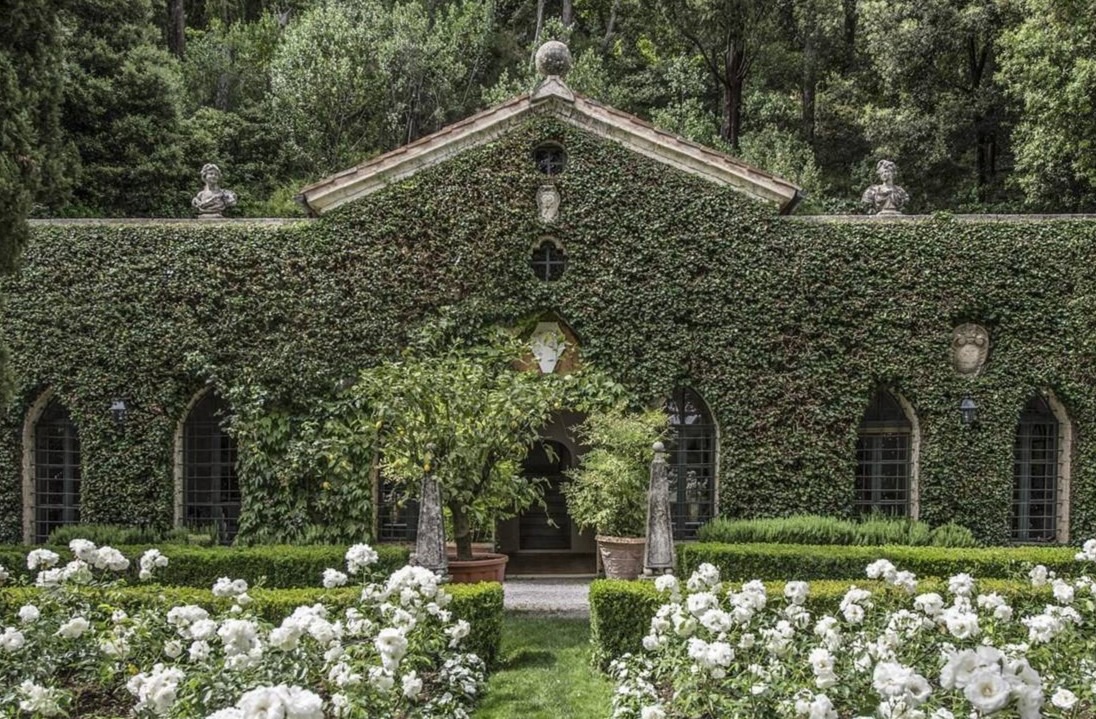
The Roman Sanctuary: Villa Appia Antica
If the Colosseum is the heart of ancient Rome, Valentino’s villa on the Via Appia Antica is the heart of its modern aristocracy.
Purchased in 1972, this property is not merely a house; it is a fortress of style located on one of the most historic roads in the world. Hidden behind tall gates and lush cypress trees, the villa sits just steps from the ancient Catacombs, rooting the designer firmly in Roman history.
A Lesson in Roman Restoration
Valentino collaborated with the legendary architect and production designer Renzo Mongiardino to create the interiors. Unlike modern minimalist trends often seen in new developments, they embraced the “Grand Roman” style:
Atmosphere over trend: Dark velvets, marble busts, and intricate tiling.
Respecting the bones: The structure was treated as a living museum, blending 19th-century architecture with an aesthetic that feels timeless.
For those looking to buy property in Rome, the Villa Appia Antica is the ultimate example of how to honor the city’s “Great Beauty” (La Grande Bellezza) without sacrificing comfort.
The Tuscan Retreat: Villa La Vagnola
While Rome was for business and grandeur, Tuscany was for escape. For decades, Valentino owned Villa La Vagnola in Cetona, a town in the province of Siena.
This 18th-century villa represents the “Tuscan Dream” that many JustPlan clients aspire to find. But Valentino didn’t just buy a farmhouse; he restored an aristocratic residence. He spent years scouring auctions to find period-correct furniture, ensuring that the villa looked exactly as it might have in 1750.
Key Features of Valentino’s Country Aesthetic
The Landscape: The outdoor spaces were designed by Paolo Pejrone, Italy’s most famous landscape architect. They feature perfectly manicured olive groves and an amphitheater of greenery.
The “Turquerie”: A pool house originally built in 1837 for a visiting Turkish Pasha, which Valentino meticulously restored.
The Real Estate Takeaway: When purchasing a borgo home or a country villa, the true value lies in authenticity. Valentino proved that a luxury home should reflect the region’s history, not just the owner’s ego.
The Mediterranean Dream: The Capri Villa
Valentino’s summer retreat in Capri was a departure from his formal Roman style, embracing the island’s vibrant, eclectic soul.
The Aesthetic: The villa is famous for its Moorish-style rooms and custom fabrics by Braquenié. It showcased a lighter, sea-inspired elegance that perfectly captures the “Luxury On Demand” lifestyle of the Amalfi Coast.
The Signature: Even at the beach, Valentino’s brand was present, with custom-signed bottles and ceramics that matched the island’s blue-and-white palette.
The Winter Escape: Chalet Gifferhorn
For the winter season, Valentino retreated to the Swiss Alps. His Chalet Gifferhorn in Gstaad was his “favorite holiday home,” where he hosted high-society “white weeks.”
The Vibe: Cozy but imperial. The chalet featured 16th-century Swiss beds decorated with stencil motifs and hand-embroidered rugs from his own Piu collection.
Design Lesson: Alpine luxury doesn’t have to be rustic. By using brown and white gingham and warm stencil work, he created a sophisticated sanctuary that felt both warm and exclusive.
The Urban Empire: The Park Avenue Penthouse
Even in New York, Valentino brought the soul of Italy. His penthouse overlooking Park Avenue featured wall coverings by George Le Manach and a sofa designed by Mongiardino.
The Collection: The New York home was a showcase for his 19th-century Russian ebony and malachite collection. It demonstrated how to bring European history into a modern American skyscraper.
How to Bring “The Valentino Touch” to Your Italian Home
You may not have an imperial budget, but you can adopt the Emperor’s philosophy. Valentino’s life teaches us three rules for living La Dolce Vita:
More is More (If it’s Quality): Don’t be afraid of collecting. Whether it’s ceramics from Grottaglie or antique prints from a market in Lucca, surround yourself with items that tell a story.
The Table is a Stage: In Valentino’s homes, lunch is never just lunch. It is a presentation. Use color, silver, and crystal to treat every meal like a celebration.
Honor the Architecture: If you buy a historic property in Italy, listen to the house. Restore the terracotta floors rather than replacing them; keep the exposed beams.
The Legacy of Italian Living
Valentino Garavani did not just dress women; he dressed rooms, gardens, and tables. He showed the world that being Italian is not just a nationality, it is a dedication to making life beautiful.
As you plan your next trip or browse for your dream home in Italy, ask yourself: What would Valentino do? The answer is usually: make it elegant, make it timeless, and make it red.
Whether you are looking to tour the historic villas of Lazio or hunt for your own restoration project in Tuscany, JustPlan Italy can guide the way.
Unlock Italy’s Secrets with JustPlan
Navigating the complexities of buying a house in Italy can be overwhelming, but it doesn’t have to be. JustPlan Italy specializes in providing expert guidance and support to help you find what you need From connecting you with trusted local experts to managing the entire process, we turn your Italian dreams into a clear, manageable plan.
Contact us today to get started on your Italian journey!